What's Actually Still Standing in Naples
I posted a video of the spots around town that are somehow still standing, Palm Cottage, the Pier, the Depot, Tin City, while the rest of Naples got knocked down and rebuilt three times over. This is everything I couldn't fit into a 60 second clip. The real story behind each spot, the neighborhoods and history that never make it into a highlight reel, and a running list of everything else around town that's quietly been here longer than people realize.
Palm Cottage, 1895
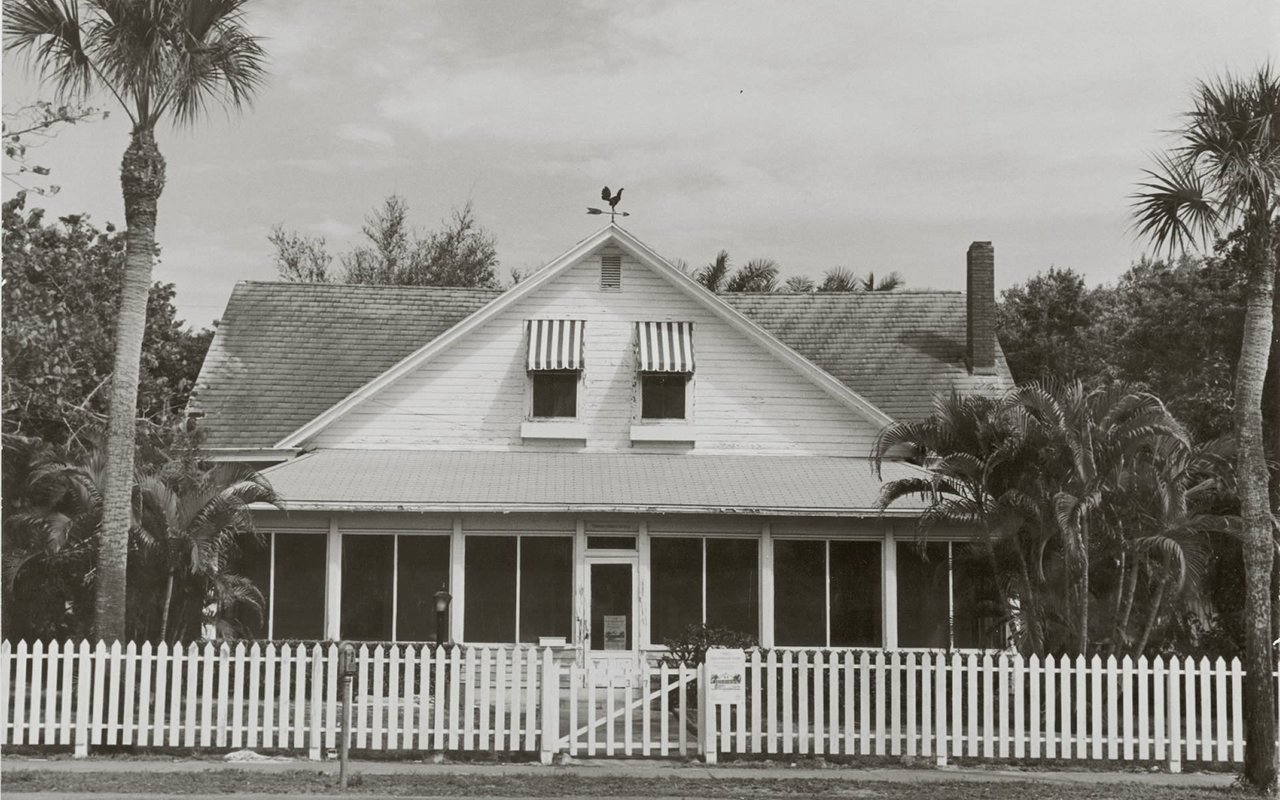
This is the oldest home in Naples, sitting at 137 12th Avenue South, a block from the pier. It's built from tabby mortar, which is just sand, shells, and water mixed together, the kind of construction that was common in old Florida before anybody was importing materials down here. It's on the National Register of Historic Places and now belongs to the Naples Historical Society, furnished exactly the way it would have looked over a hundred years ago. You can tour it in the winter and hear the whole story from people who've spent their careers on it.
The Naples Pier, 1888
Before there was a road or a railroad, there was the pier. Construction started in the summer of 1888 because boats were the only way in or out of Naples at that point. It's been rebuilt more than once after hurricanes, most recently after Hurricane Ian tore through in 2022 and took out more than 30 pilings and a big chunk of the structure.
As of today, the rebuild is actually underway. The city broke ground back in January, and by this summer crews were deep into the real work, driving new pilings, building the trestle walkway, and pouring concrete for the support structure. It's about an 18 month project, so the target is having it back sometime around mid to late 2027, taller and sturdier than before. This is the pier's seventh rebuild in its history, so if anything it's staying exactly on brand.
Naples Depot, 1927
When the Seaboard Air Line Railway finally reached Naples in 1927, that's the moment this stopped being a sleepy fishing outpost and started actually growing. The depot at 1051 5th Avenue South is where those first trains pulled in. It's on the National Register now and runs as a museum with a caboose parked out front. It served the railroad until 1971, sat empty for a while, and got saved by a group of locals who refused to let it go.
Tin City
Tin City wasn't built to be cute. It was the working waterfront, full stop. Those tin roofed buildings on the Gordon River were the hub for clam shelling, oyster processing, boat building, and the local fishing fleet. Now it's antiques and waterfront dining, but the buildings themselves are the same ones that kept this town fed a hundred years ago.
The Naples Mercantile Building, 1921
Easy to miss because it's a restaurant now, but this one started life in 1921 as a general store. Mediterranean Revival style, stucco walls, red tile roof, arched doorways. It's a designated historic site through Collier County, and today it houses Campiello, so you can eat dinner inside a piece of 1920s Naples without even clocking it.
Old Naples Historic District
This is the whole neighborhood at once, roughly 65 historic houses built between 1887 and 1937, plus a couple of historic commercial buildings. The oldest of them are simple frame cottages with small touches of Queen Anne detail, the Haldeman House among them, right on the beach at 12th Avenue South. Walk Broad Avenue or Third Street South and you're passing homes pushing a hundred years old, tucked in between the boutiques.
Two spots the video didn't have time for
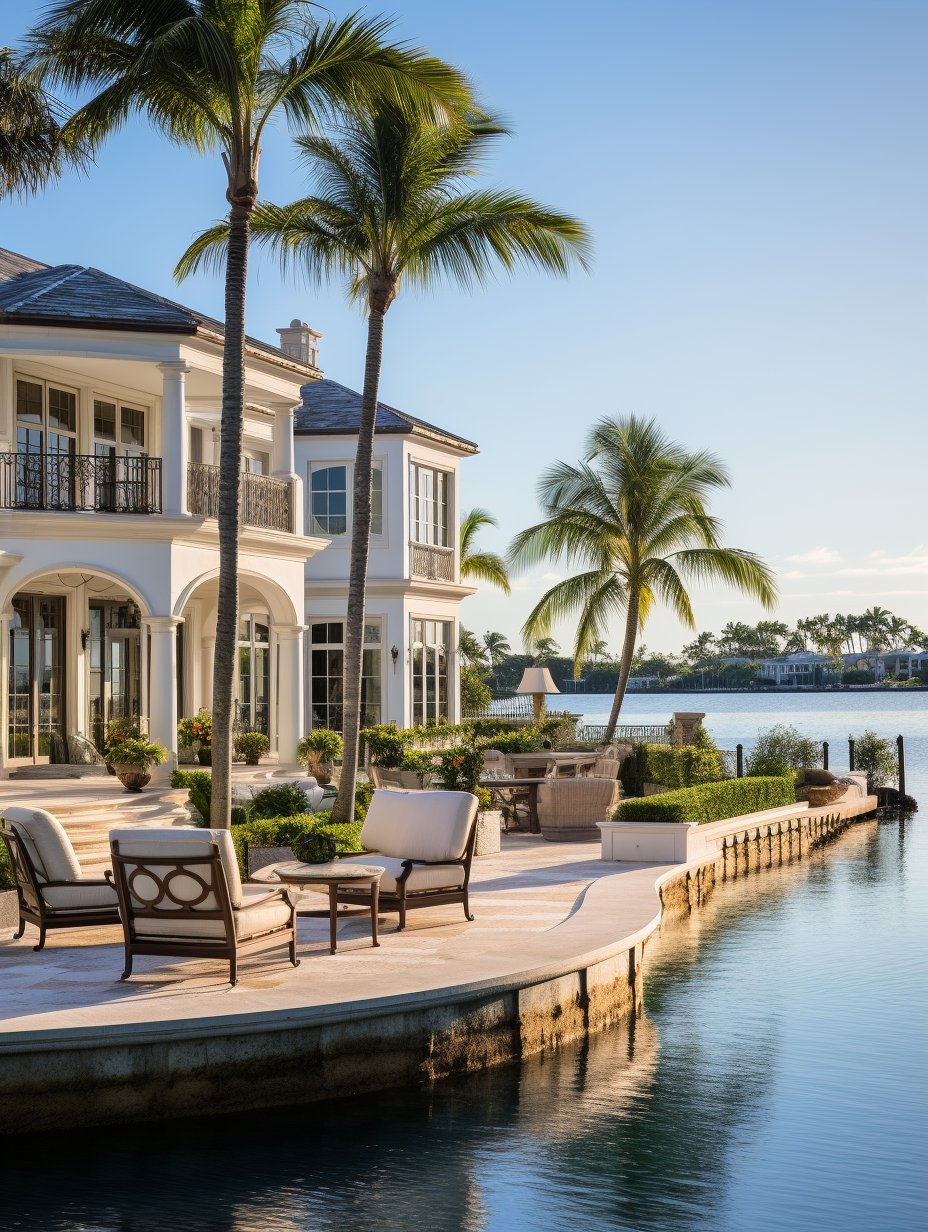
Port Royal didn't start as the address everyone knows today. In 1938, a retired Chicago ad executive named John Glen Sample bought up what everybody else considered useless mangrove swamp on the southern tip of town for $13,700. He spent two decades dredging canals and building peninsulas out of marsh, using a method that's actually illegal now. He named it after the pirate haven in Jamaica, which is why the streets are still called things like Galleon Drive and Buccaneers Roost. His goal, in his own words, was to build the finest place in the world to live. I think he succeeded 😊.
Naples Municipal Airport almost never makes anyone's list of historic Naples spots, but it should. Before World War II, planes here just landed on the beach or a golf course when they had to. That changed in 1941 when a U.S. Senator reached out about building a military airbase, the city and county bought 636 acres, and by December 1943 the Naples Army Airfield opened, training fighter pilots and bomber gunners for the war using planes like the Fairchild PT-19, nicknamed the "Cradle of Heroes" because it was so many cadets' first flight ever. When the war ended and the base got handed back to the city in the late 1940s, a lot of the young airmen who trained here came back afterward and bought homes, quietly becoming part of the wave that built out neighborhoods like Coquina Sands and The Moorings.
It's still shaped by that old military layout today, and it's also still one of the more debated pieces of real estate in town. On one hand, it's an incredible amenity, ten minutes from downtown and used heavily by people who live right in the city and fly private. On the other hand, the flight path runs directly over some of the nicest neighborhoods in Naples, and residents in Port Royal and Aqualane Shores don’t love that. There have been jet bans, multiple official noise studies going back to 1997, an ongoing "Down the Bay" proposal to reroute departures, and hundreds of formal noise complaints filed every year. None of it has fully solved it, because moving the flight path just moves the noise to a different set of backyards instead of removing it. Most days you genuinely do not notice it. But it's very much still an open fight behind the scenes.
More still standing, still going
Once I started this list I couldn't stop. Here's the rest of what's stuck around:
Cambier Park opened in 1948, named for William Cambier, Naples' first town engineer, and the land was donated by the Naples Company on the condition it stay a public park forever
Crayton Cove and the Naples City Dock trace back to 1915, when it was known as "The Back Bay," the town's first sheltered mooring for fishing boats, and reportedly a few local bootleggers
Naples Zoo at Caribbean Gardens sits on gardens first planted in 1919 by botanist Henry Nehrling, more than a century of growth before it ever became a zoo
Kelly's Fish House Dining Room opened 1953 on the Gordon River, the oldest continuously operating restaurant in Naples, still serving stone crabs and key lime pie
The Naples Players the community theater now performing at the Sugden Theatre on Fifth, has been running for more than 75 years
The Pewter Mug a Naples tradition since 1970, still known for prime rib and the salad bar locals grew up on
Marissa Collections founded in 1975, the boutique that quietly built Naples' reputation as a fashion destination, still family run
Fast forward to today
Here's the part that still gets me. Almost every one of these spots is still doing some version of its original job.
Palm Cottage is still a house you can walk through. The pier is still where locals go for sunset, just with a shorter walk after Ian took part of it. The Depot still greets people arriving in Naples, just tourists instead of railroad passengers. Tin City still smells like the working waterfront it used to be, even with the antiques and the ice cream. The Mercantile Building still feeds people, it just serves Campiello instead of dry goods now. And Port Royal and other neighborhoods are still standing exactly where Sample and the city built them, just worth wildly different numbers than anyone could have guessed in 1960.
Naples didn't erase its past to build the present. It just kept building on top of it, which is honestly rare for a Florida town.
Why any of this should actually matter to you
Here's the part that turns this from trivia into something worth knowing before you buy.
Every one of these stories left a fingerprint on how Naples is built today, and that fingerprint is what you're actually paying for. Old Naples and Downtown Naples sit on the original 1887 plat, which is why the lot sizes, setbacks, and proximity to water here can't be recreated anywhere else in the city, and why that land holds a premium newer construction can't touch. Port Royal was built from the start as a purpose-made hideaway, dredge-and-fill land that's now illegal to recreate, so what you're buying into is a structure and a scarcity that will never exist again. River Park shows you the other side of that same era, workforce housing built with intention, now caught in a wave of value most people never saw coming.
Why I keep coming back to this stuff
I didn't move here chasing a market, I grew up here. My parents moved our family to Naples when I was 9, and I still remember family and friends back home telling them they were crazy for buying where they did. Nobody understood the vision. Turned out to be the best decision anyone in my family ever made.
Honestly, that's the story of half this town. Sample got told the same thing when he was buying up swamp nobody else wanted. The families who built with their own savings got told the same thing. Naples has always been full of people who saw something everyone else missed, bet on it anyway, and turned out to be right.
I watched Third Street go from sleepy to polished, watched Old Naples become one of the most sought after zip codes in the country, and I've watched enough of this town's real story get flattened into postcard versions of itself. Palm Cottage is still standing. The pier is returning. Tin City still smells a little like the working waterfront it used to be. That mix, real history sitting right next to 30 million dollar homes, is what makes this town different from anywhere else in Florida.
If you're thinking about making Naples home, or you just want someone who actually grew up here to walk you through it, I would love to show you around! Email us directly at [email protected].