Are rising mortgage rates really slowing Naples luxury sales, or just changing who gets the deal? If you are weighing a purchase or sale, it is natural to wonder how rate headlines translate to waterfront estates and premium condos. In this guide, you will learn how rates ripple through Naples’ luxury tiers, why cash buyers matter, and what an ultra‑luxury enclave like Port Royal in Beaufort County, South Carolina can teach you about pricing and timing. Let’s dive in.
Mortgage rates and Naples luxury: the basics
Mortgage rates affect luxury real estate through borrowing costs, qualification, and buyer psychology. When rates rise, monthly payments increase for financed buyers, and some buyers no longer qualify for the same loan size. Volatile moves can also cause a brief pause as people wait for clarity or rush to lock a rate.
In the short term, this shift often trims activity among financed buyers while cash buyers step forward if inventory ticks up. Over the medium term, transaction volume can fall before prices adjust. In ultra‑luxury niches with limited inventory and strong cash demand, prices can remain resilient even if days on market lengthen.
Jumbo loans vs conforming: why it matters
Most high‑end purchases in Naples require financing above the conforming loan limit set by the FHFA. Anything above that limit is typically a jumbo loan, which follows different pricing and underwriting standards than conforming loans.
Jumbo lenders often ask for higher credit scores, lower debt‑to‑income ratios, more cash reserves, and larger down payments. Pricing can also differ. The rate gap between jumbo and conforming loans changes with market liquidity and lender appetite. When that gap widens, financed luxury buyers feel a higher effective cost, and some either add more cash, adjust their search price, or delay.
If you plan to finance, you should compare several jumbo lenders early. Access and terms vary, and the right structure can improve your buying power and offer strength.
Cash buyers and Naples seasonality
Naples draws many second‑home and seasonal buyers who prioritize lifestyle, proximity to the Gulf, and amenity access. Florida’s lack of state income tax also supports demand for both primary moves and second homes. In these groups, a high share of purchases are made with cash or large down payments, which can cushion the market when rates rise.
Seasonality matters too. Shifts in rates just before peak winter buying can influence pace and negotiation. Financed buyers may slow or reprice during volatile weeks, while cash buyers often move faster on rare or turnkey listings. The result is a market where timing and offer structure matter as much as headline rates.
What Port Royal (SC) teaches us
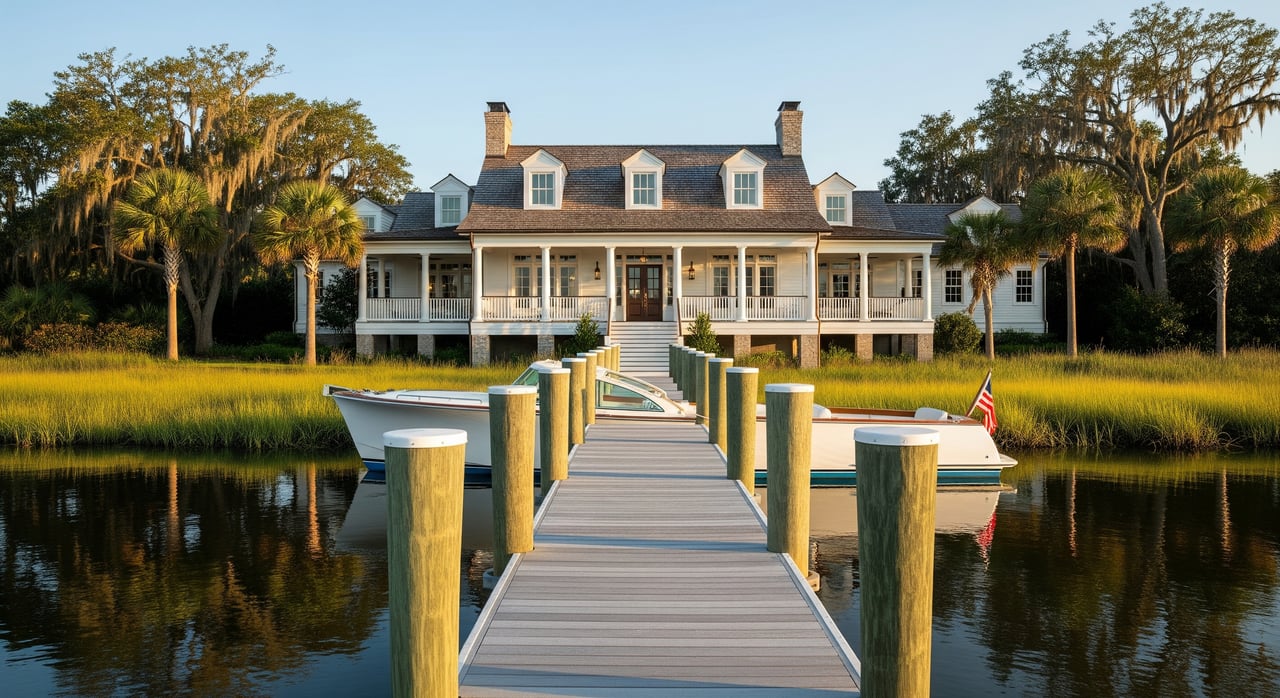
To avoid confusion with Naples’ own Port Royal neighborhood, this section refers to Port Royal in Beaufort County, South Carolina. Like Naples’ top waterfront micro‑markets, Port Royal is an ultra‑luxury coastal enclave with limited high‑value inventory and a concentrated buyer profile. Those traits often produce a sizable cash share and strong leverage for cash offers.
Here is the takeaway for Naples:
- Limited supply and amenity scarcity can stabilize pricing even when rates rise, especially where cash demand is deep.
- If a submarket relies more on financed buyers, rate jumps can slow closings and lengthen days on market before sellers consider price changes.
- Differences in state tax policy, buyer origin, and travel access mean no two enclaves react identically. Use Port Royal as a reference for how scarcity and cash share can buffer price, not as a one‑to‑one forecast for Naples.
Buyer playbook in a higher‑rate cycle
You can still win in a rising‑rate environment with preparation and flexible structure.
- Confirm the financing threshold. Ask your lender about the current FHFA conforming limit and whether your target price pushes you into jumbo territory.
- Compare jumbo lenders. Prequalify with more than one lender that actively writes jumbo loans for second‑home and investment properties.
- Explore structure alternatives. Consider a larger down payment, adjustable‑rate jumbo options, or partial cash plus a smaller loan to reduce payment and improve approval odds.
- Use rate locks and float‑downs. Lock when you find a workable rate, and ask about float‑down features if rates fall before closing.
- Strengthen offer terms. If financing, improve earnest money, tighten timelines where prudent, and streamline contingencies to stay competitive with cash.
- Mind seasonality. If you need financing, be ready before peak listing windows so you can move quickly on rare inventory.
Seller playbook when rates rise
When the cost of borrowing increases, the buyer mix shifts. Your strategy should reflect the financing environment and the likely share of cash offers in your price tier.
- Price to today’s demand. If your buyer pool leans financed, plan for longer marketing time and focus on compelling value within your competitive set.
- Spotlight cash‑friendly features. Emphasize privacy, turnkey condition, transferable boat slips, rental history where applicable, and flexible closing timing.
- Consider targeted concessions. Temporary interest‑rate buydowns or closing‑cost credits can help a financed buyer without broadly discounting your price.
- Use relevant comps. Older sales may reflect a different rate regime. Prefer comps with a similar financing mix and current market conditions.
- Calibrate expectations. In ultra‑luxury, transaction count often falls before price moves. Proper positioning and patience can preserve outcomes.
What to watch besides headline rates
Local data matters more than national averages. Monitor these indicators for your price band:
- Share of all‑cash purchases in your tier.
- Months of inventory and median days on market by tier.
- Pending‑to‑closed ratios and list‑to‑sale price trends.
- New listings versus closed sales over the last 3 to 12 months.
- Jumbo versus conforming pricing dynamics and underwriting shifts reported by local lenders.
These signals help you separate short‑term noise from meaningful changes in demand.
Timing strategies that work
- Short‑term volatility. If rates jump quickly, financed buyers may pause. Cash buyers often find openings during these windows, especially if new listings outpace contracts.
- Stabilization period. When rates level off, activity can normalize as financed buyers recalibrate search ranges and lenders adjust pricing.
- Seasonal planning. In Naples, aligning your list or purchase with peak seasonal demand can offset some financing headwinds, but only if you are prepared on pricing and terms.
- Micro‑market focus. Waterfront estates, downtown condos, and new construction each react differently. Base your timing on your specific submarket’s inventory and cash share.
Work with advisors who navigate both cash and financing
Luxury results hinge on strategy, not just price. You want a team that understands jumbo underwriting, cash‑offer leverage, and how Naples’ micro‑markets behave when rates move. With concierge services, renovation and staging coordination, HomeWatch and property management, and thoughtful lifestyle introductions, you also reduce friction if you are transacting from out of town.
If you are planning to buy or sell in Naples’ premier neighborhoods, schedule a confidential strategy session with The Beretta Group. We will tailor a plan to your property, price tier, and timing, and coordinate the lender and vendor network you need to move with confidence.
FAQs
How do mortgage rates affect Naples luxury pricing vs sales volume?
- Rising rates often reduce financed demand first, which can lower transaction volume and lengthen days on market before any broad price changes show up.
What is a jumbo loan and why does it matter in Naples?
- A jumbo loan exceeds the FHFA conforming limit and follows stricter underwriting; changes in jumbo pricing and approval standards directly influence high‑end buying power.
Are cash buyers insulated from rising mortgage rates in Naples?
- Cash buyers feel less direct impact and often gain negotiating leverage when financed buyers step back, especially in scarce, ultra‑luxury niches.
What can Naples sellers do to attract buyers when rates are high?
- Emphasize turnkey features, flexible closings, and value; consider targeted concessions like temporary buydowns for financed buyers without broadly discounting price.
How does Port Royal, SC compare to Naples in rate sensitivity?
- Both are coastal luxury markets with limited supply, but differences in taxes, buyer origin, and access mean each reacts uniquely; use Port Royal as a reference, not a forecast.